
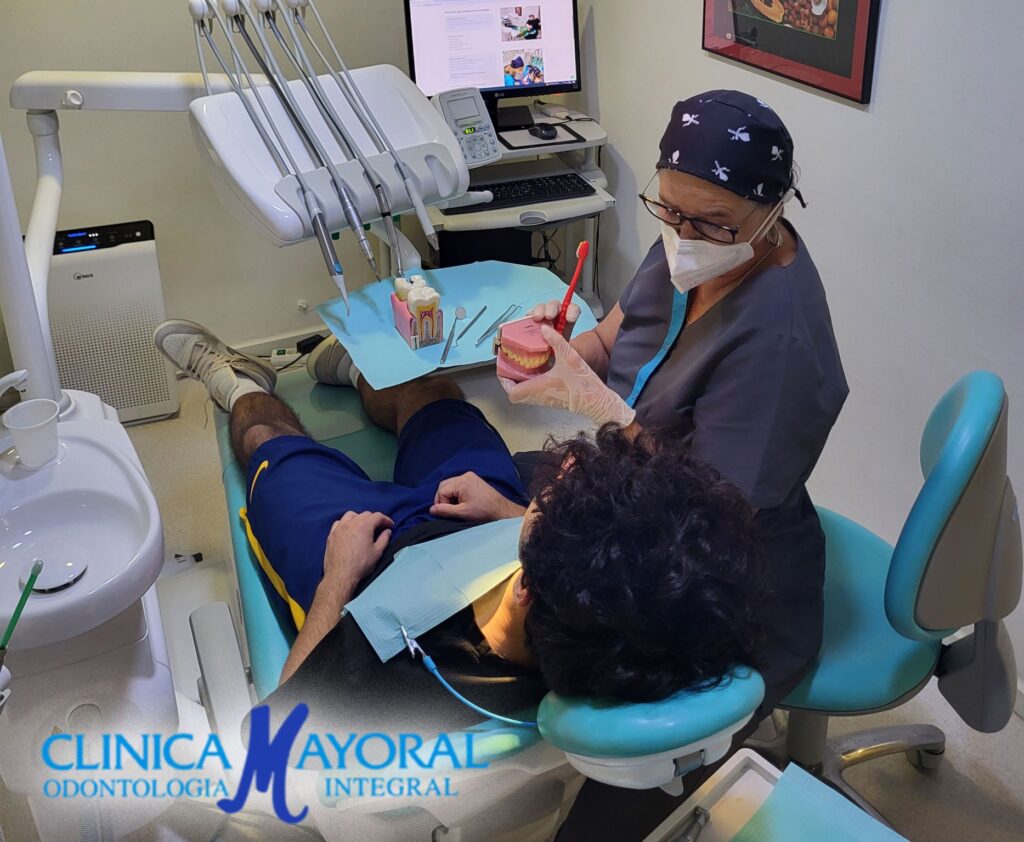
Dental caries remains one of the most prevalent oral diseases globally. Although it is commonly associated solely with the consumption of sweets, scientific evidence classifies caries as a dysbiotic, multifactorial disease modulated by the interaction of multiple biological and behavioral determinants.
Understanding its origins is essential for designing effective preventive dentistry strategies for children, adults, and patients with special needs.
The four triggers of tooth decay
For demineralization of the hard tissue of the tooth to begin, several elements must converge simultaneously:
- Microbiota and biological susceptibility: The presence of certain cariogenic bacterial species in the biofilm, combined with the immunological characteristics of the host and the biochemical composition of saliva, determine the buffering potential against acids.
- Tooth anatomy: Occlusal surfaces with pronounced fissures, narrow grooves, or slight crowding make it difficult for the brush to physically access them, creating ideal retentive areas for plaque.
- Cariogenic diet: Repeated consumption of free sugars and sticky foods repeatedly reduces intraoral pH below 5.5, promoting mineral loss of enamel.
- Frequency and technique of oral hygiene: Incomplete removal of plaque through brushing or omission of interdental hygiene consolidates bacterial colonies on the tooth surface.
Prevention: the cornerstone of conservative dentistry
Contemporary dentistry prioritizes preserving the natural tooth over any invasive restorative intervention. Acting before structural damage occurs requires specific clinical measures:
- Periodic control reviews: Thorough inspection and low-dose digital radiography facilitate the early diagnosis of enamel lesions before they penetrate into dentin and require filling.
- Pit and fissure sealants: Application of a light-cured flowable resin in the deep grooves of molars that blocks bacterial colonization and simplifies hygiene in vulnerable areas.
- Remineralizing treatments: Professional fluoridation applied in the office reverses incipient states of caries and strengthens the hydroxyapatite of the enamel.
- Habit instruction and maintenance: Customized protocols that teach proper brushing technique and encourage check-ups tailored to each patient profile.
At our clinic in Barcelona, with over 50 years of experience, we take a holistic approach to oral health, combining diagnostic technology and non-invasive techniques to protect your well-being. And we always focus on prevention. Prevention is the best investment!