
In summary: Gingivitis and periodontitis are two stages of the same gum disease caused by bacterial plaque. Gingivitis is reversible; periodontitis destroys the supporting structures of the teeth. Regular checkups, periodontal probing, and professional cleanings allow for early detection and treatment.
Gingivitis and periodontitis: what they are and how they differ
Periodontal disease affects the tissues that surround and support the teeth: the gums, the periodontal ligament, and the bone. It is also very common: according to the World Health Organization, Its severe forms are estimated to affect more than one billion people worldwide. It always begins in the same way, with the accumulation of bacterial plaque (biofilm) at the gum margin.
First of all, the gingivitis This is the initial phase. The gums become inflamed, change color, increase in volume, and bleed easily, especially during brushing. There is no bone loss at this stage. Therefore, with proper hygiene and professional cleaning, the gums can return to a healthy state.
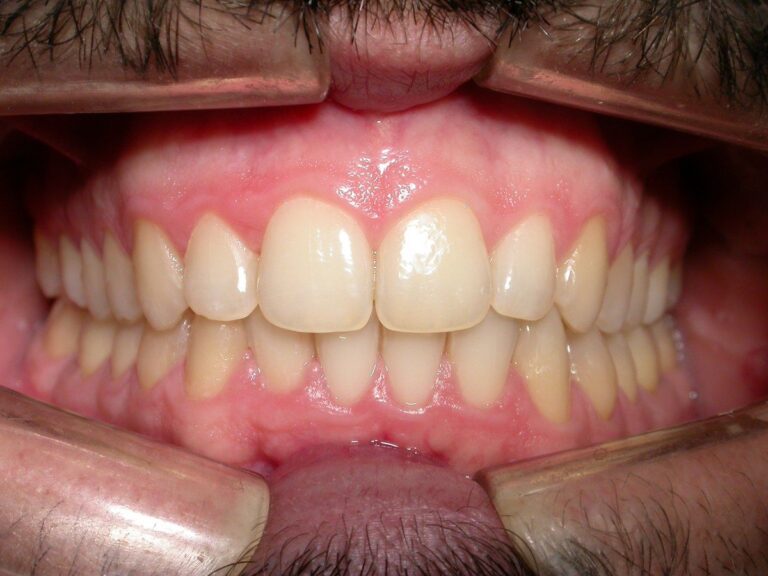
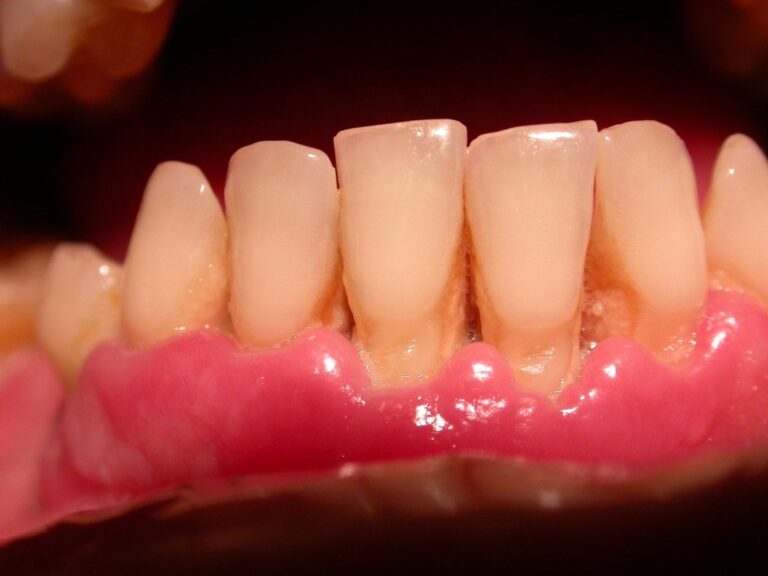
In contrast, the periodontitis It appears when inflammation progresses into the deeper tissues. Pockets form between the gum and the tooth, and the bone supporting the tooth is lost. Over time, tooth mobility, separation between teeth, and, in advanced cases, tooth loss can occur. The damage already done does not heal spontaneously, but treatment can halt its progression.
Why do gingivitis and periodontitis occur?
The necessary cause is bacterial plaque that is not effectively removed. However, not everyone reacts the same way to it. In fact, the same organization points to poor oral hygiene and tobacco use as the main risk factors for periodontal disease. Specifically, several factors are involved:
- Bacteria: Certain plaque species have a greater capacity to cause inflammation and tissue destruction.
- Insufficient brushing: An inadequate technique or the absence of cleaning between the teeth promotes the accumulation of plaque and the turning into tartar.
- Genetics: There is an individual predisposition that explains why some people develop more aggressive forms of the disease.
- Tobacco: It is one of the most important risk factors. Furthermore, it reduces gum bleeding and can mask warning signs.
- Alcohol: Its regular consumption has been linked to an increased risk of periodontal disease.
- Diabetes: Poorly controlled diabetes increases the risk and severity of periodontitis. In turn, periodontal inflammation makes glucose control more difficult.
Warning signs of gingivitis and periodontitis
In its early stages, the disease is usually silent and painless. That's why it's important to pay attention to signs like these:
- bleeding when brushing or flossing;
- reddened or swollen gums;
- persistent bad breath;
- gum recession;
- tooth sensitivity;
- sensation that the teeth are moving or have changed position.
In any of these cases, a consultation is recommended.
How are gingivitis and periodontitis diagnosed and treated?
The diagnosis is based on clinical examination and, in particular, on the periodontal probingThis involves a tooth-by-tooth measurement of pocket depth and gum attachment level. It is also supplemented with X-rays showing the condition of the bone.
On the other hand, the treatment depends on the stage of the disease:
- Gingivitis: professional cleaning (dental hygiene), tartar removal and personalized brushing and interdental cleaning instructions.
- Periodontitis: Scaling and root planing, which thoroughly cleans the surface of the roots below the gum line to remove accumulated plaque and tartar. In some cases, additional surgical treatment is necessary.
- Periodontal maintenance: After treatment, regular check-ups and cleanings are essential to prevent the disease from recurring.
In any case, the treatment plan is individual and can only be established after a complete clinical assessment.
Relationship with general health
Periodontitis is a chronic inflammatory disease, and its effects extend beyond the mouth. Research has described an association between periodontal disease and cardiovascular disease, diabetes, and, in more recent studies, Alzheimer's disease. For this reason, maintaining healthy gums is an integral part of overall health care.
Prevention of gingivitis and periodontitis
Therefore, prevention is the most effective tool against gingivitis and periodontitis. It is based on two pillars: daily home care and professional follow-up.
- Daily hygiene: Brush at least twice a day using the correct technique and clean between your teeth with dental floss or interproximal brushes. oral hygiene guide The clinic details each step.
- Periodic reviews: They allow for the detection of inflammation before symptoms appear. The frequency is determined by the healthcare professional based on each patient's risk.
- Periodontal probing: It is part of the examination and is the only way to know the true condition of the gums and bone.
- Professional hygiene and scrapings: They remove tartar that brushing cannot remove and, when the disease already exists, they slow its progression.
- Control of risk factors: Quitting smoking, moderating alcohol consumption, and keeping diabetes under control significantly reduces the risk.
Therefore, at Clínica Mayoral, the prevention and the preventive and conservative dentistry They are the foundation of any treatment. If you notice any warning signs in your gums, we recommend scheduling an appointment at the clinic.
Frequently asked questions about gingivitis and periodontitis
Is it normal for gums to bleed when brushing?
No. Bleeding is the most common sign of gum inflammation and usually indicates gingivitis. That's why it's advisable to consult a dentist, even if there's no pain.
Is gingivitis curable?
Yes. Gingivitis is reversible: with professional cleaning and proper daily hygiene, the gums return to a healthy state.
Is periodontitis curable?
Lost bone does not regenerate on its own. However, periodontal treatment stops the progression of the disease, and with regular maintenance, teeth can be preserved for many years.
How often should you have your gums checked?
It depends on each person's risk. In general, at least one annual check-up is recommended; however, in patients treated for periodontitis, maintenance visits are usually more frequent, as indicated by the professional.